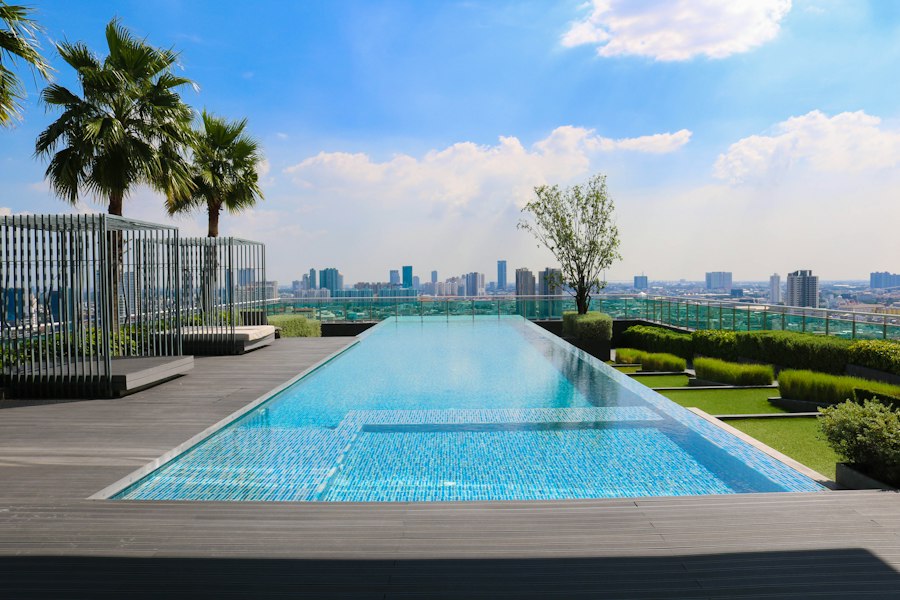
Patio Design in South Florida — How to Build an Outdoor Living Space That Handles Heat, Rain, and Hurricanes
Patio Design in South Florida
Outdoor living in South Florida isn't seasonal — it's 365 days a year. This is the design opportunity that Northern architects miss and what separates South Florida outdoor spaces from the rest of the country. An outdoor living space here isn't a summer bonus room. It's a year-round kitchen, dining room, living room, and pool deck that must survive 6 months of daily tropical thunderstorms, UV radiation that fades ordinary materials in 18 months, and a hurricane risk that requires structural engineering attention.
The materials and systems that work in this environment are specific. The ones that don't are an expensive mistake.
Paver Material Comparison for South Florida
Choosing the wrong paver material is the most costly patio design mistake in South Florida's climate. Materials that look beautiful in a showroom and hold up in Atlanta fail consistently here.
Paver Material Performance Comparison — South Florida Outdoor Living 2026
| Material | Heat Retention | Slip When Wet | UV Fade | Typical 5-yr Cost/sq ft | Verdict |
|---|---|---|---|---|---|
| Travertine | Low — stays cool | Low when brushed finish | Minimal — natural stone | $18–$35 | Best Pick Most popular luxury choice |
| Porcelain Pavers | Moderate | Low with textured surface | None — color-stable | $22–$45 | Premium option; consistent color; heavy |
| Concrete Pavers | Moderate | Low with broom finish | Moderate fade in 5–7 yrs | $12–$22 | Mid-market standard; good value |
| Stamped Concrete | High | High when wet | Significant fade in 3–5 yrs | $10–$18 | Caution Sealing required annually; slip liability |
| Dark-colored concrete | Extreme heat | Moderate | High fade | $8–$15 | Avoid Unusable barefoot in South FL summer |
Travertine consistently outperforms all other materials for barefoot comfort in South Florida's summer heat. Its natural porosity allows it to stay significantly cooler than synthetic alternatives. The maintenance trade-off is annual sealing to prevent algae staining during rainy season and periodic joint sand replenishment. Source: FloridaLandscapeIQ pool contractor field data; ANSI A137.1 slip resistance testing, 2026.
Hurricane-Rated Pergolas and Shade Structures
South Florida's outdoor living market was transformed by Hurricane Irma (2017) and subsequent storm damage claims that involved pergola and shade structure failures. Today, all permitted pergolas in Miami-Dade, Broward, and Palm Beach counties must meet Florida Building Code (FBC) wind speed requirements.
Wind speed requirements by county (High Velocity Hurricane Zone — HVHZ):
- Miami-Dade and Broward: Designed for 175 mph basic wind speed
- Palm Beach, Collier, and Monroe: 160-175 mph depending on location
Materials that meet FBC HVHZ:
- Aluminum structural frames (extruded aluminum — not tubular steel, which corrodes in salt air)
- CBS (concrete block structure) pergolas for permanent structures
- Hurricane-rated polycarbonate or insulated panel roofing systems
- Screen enclosures with FBC-rated screen cloth and frame systems
What doesn't work: Prefab big-box pergola kits are designed for northern climates. They are not rated for South Florida wind loads and will not pass inspection.
Summer Kitchen Requirements
An outdoor summer kitchen with a built-in grill, refrigerator, and sink is the most requested outdoor living feature in South Florida's luxury market. It also requires permits.
Permits typically required:
- Building permit (structural)
- Electrical permit (outlets, refrigerator circuit)
- Plumbing permit (water and drain connections)
- Gas permit (if natural gas or LP connections)
HOA considerations: Most South Florida HOAs require ARC approval for summer kitchen additions. Submit before installation — adding a summer kitchen without approval creates compliance issues that complicate property sales.
Typical costs (South Florida 2026):
- Basic summer kitchen (grill, sink, countertop): $15,000–$25,000
- Premium kitchen (full appliance package, island, pergola cover): $45,000–$120,000
- Ultra-luxury (Subzero/Wolf appliances, custom CBS construction): $100,000–$250,000+
Drainage Planning for South Florida Rainfall
South Florida receives 50-80 inches of annual rainfall, most of it during the June–September rainy season in intense afternoon thunderstorms. Patio drainage planning is not optional.
Required design elements:
- Minimum 1% grade away from structures on all hardscape surfaces
- French drain or drain channel at the perimeter where patio meets lawn or landscape
- No ponding within 24 hours of a 1-inch rainfall event
- Retain pool contractor and landscape contractor coordination — pool deck drainage affects pool chemistry
Find licensed pool and patio contractors experienced with South Florida's construction requirements through the FloridaLandscapeIQ Contractor Directory.
Source: Florida Building Code HVHZ requirements; Miami-Dade NOA (Notice of Acceptance) product database; FloridaLandscapeIQ contractor network data, 2026.