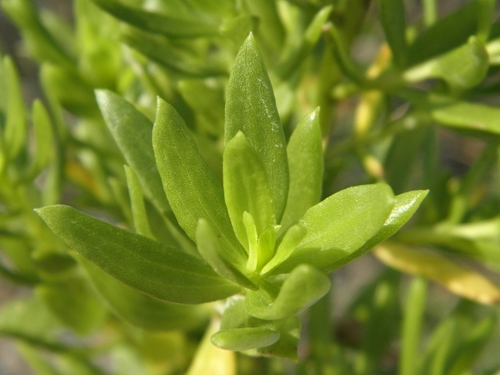
Landscape Uses
Style Tags
South Florida Growing Guide
Light Requirements
Water Requirements
Once established (12–18 months), Beach Elder is drought-tolerant and requires minimal supplemental irrigation in South Florida.
No supplemental irrigation once established — dune conditions and coastal rainfall are entirely sufficient. Water lightly during establishment only (first 4-6 weeks). Overwatering causes root rot in this coastal specialist. SFWMD drought exempt as Florida native.
Soil and Fertilization
Fertilizer: None — dune native requiring no fertilization
Schedule: Not required — coastal dune native adapted to nutrient-poor sand. No fertilization recommended.
Salt Tolerance
Suitable for coastal planting across all 5 South Florida counties.
- Mature Height
- 1–4 ft
- Mature Width
- 2–5 ft
- Growth Rate
- moderate
- Water Demand
- 1/10
- Florida Grade
- Florida
- Installed Cost
- $
- USDA Zones
- 8b, 9a, 9b, 10a, 10b, 11
- FLEPPC Status
- None
- Iguana Rating
- 5/10
Where to Buy in South Florida
Find Beach Elder at South Florida nurseries — check availability and pricing at nurseries near you.
Frequently Asked Questions
How fast does Beach Elder grow in South Florida?
Beach Elder has a moderate growth rate. In South Florida's warm, humid climate it typically establishes quickly with proper watering and fertilization.
Is Beach Elder safe for pets?
Yes, Beach Elder is considered pet-safe. Non-toxic to dogs and cats. Safe for pet-accessible beach and dune landscapes.
How much water does Beach Elder need in South Florida?
Low water needs (1/10). Once established (12–18 months), Beach Elder is drought-tolerant and requires minimal supplemental irrigation in South Florida.
Can Beach Elder tolerate salt air in South Florida?
Beach Elder has high salt tolerance (10/10) and is well-suited for coastal South Florida, including areas with salt air in Miami-Dade, Broward, Palm Beach, Collier, and Monroe counties.
Is Beach Elder available in Miami-Dade County?
In Miami-Dade County, Beach Elder is classified as: protected. Florida native — protected from HOA prohibition under Florida Statute 720.
County Availability in South Florida
Miami-Dade County
Florida native — protected from HOA prohibition under Florida Statute 720.3075.
✓ Coastal OK
USDA Zone 10a–11. Tropical climate, year-round warmth and humidity.
View County Guide →Broward County
Florida native — protected. Appropriate for Broward barrier island dune restoration applications.
✓ Coastal OK
USDA Zone 10a–10b. Subtropical with warm winters and wet/dry seasons.
View County Guide →Palm Beach County
Florida native — protected. Appropriate for Palm Beach County oceanfront dune restoration.
✓ Coastal OK
USDA Zone 9b–10b. Transitional zone with occasional winter cold in north.
View County Guide →Collier County
Florida native — protected. Appropriate for Collier County Gulf coast dune restoration.
✓ Coastal OK
USDA Zone 10a–10b. Subtropical Gulf Coast with seasonal flooding.
View County Guide →Monroe County
Florida native — protected and ecologically critical in Monroe County. Beach Elder is one of the primary native dune plants of the Florida Keys.
✓ Coastal OK
USDA Zone 11. Tropical maritime, highest salt exposure of all 5 counties.
View County Guide →Always verify current county requirements before installation.
Ask about Beach Elder
Get answers grounded in UF/IFAS research and South Florida landscape data.